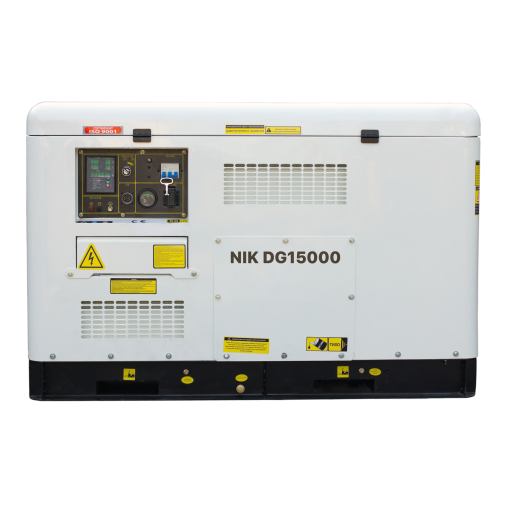
How to Choose a Generator for Your Home, Business, or Industrial Use
Here are some simple, practical recommendations that will come in handy when you decide to purchase a generator. For backup power to truly solve a problem — rather rather than create a new one — it'sit's important to choose the right generator. There are several key factors to consider. Let's start with the most common mistakes to avoid.
3 Common Mistakes When Choosing a Generator
Even the highest-quality generator won't be effective if it's poorly matched to your needs. To avoid overspending and disappointment after purchase, be aware of these typical mistakes:
Insufficient Generator Power
A generator that doesn't have enough power will operate at its limits—or won't be able to start your devices at all. As a result, this leads to rapid wear, reduced service life, and unexpected repair costs.
This issue often arises from overlooking starting (inrush) currents—the amount of power equipment draws at startup. Most electrical appliances require two to three times more energy to start up than during regular operation. If you don't take that into account, the generator may not be able to handle the load.
To avoid this issue, consider:
- The total rated power of all the devices you plan to connect
- Starting surges for devices with compressors or motors (e.g., refrigerators, pumps, air conditioners)
- Future expansion — it might be smart to choose a generator with extra capacity

Use this formula as a reference:
Total rated power (W) × 1.3 = recommended generator power
Choosing the Wrong Phase
Single-phase generators (220V) are suitable for residential use and small offices. But for factories, workshops, and other facilities with high energy demand, you'll need a three-phase generator (380V). Otherwise, you risk overheating, equipment damage, or voiding warranties.
Generator Placement
Before buying a generator, think about where it will be located during use and downtime.
Any generator needs:
- Good ventilation
- A flat surface for stable placement
- Protection from moisture
The level of IP protection (from dust and moisture) depends on the model. It usually ranges from IP20 to IP65. Some models include weatherproof enclosures for enhanced durability outdoors — a must for external installation.
Certain models — like Generac gas-powered stations — can be installed indoors. But gasoline and diesel models should never be used in enclosed spaces, as they pose fire and explosion hazards. Gas-powered generators, however, do require a gas connection or space for storing propane cylinders.
Types of Generators
Portable generators are great for temporary use but have limited power and often require manual start
Stationary (standby) generators are fixed installations. They turn on automatically during outages and are suited for whole-house backup. More expensive, but more convenient in the long run.
Noise Level Matters Too
If your generator will be placed near a home or office, low-noise models are the better choice. Consider adding soundproofing if needed.
Here's a simple reference for noise levels:
- 50–60 dB – quiet, like a normal conversation
- 65–75 dB – comparable to a vacuum cleaner or city noise
- 80 dB and up – loud enough to disturb
How to Calculate Generator Power for a Home, Office, or Facility
Start by estimating the number and type of electrical devices you'll be using, and their total wattage. For example, a fridge typically uses 300W but can require up to 900W at startup. So don't just add up rated wattages — always account for starting loads and include a 20–30% buffer.
- For homes: 3–5 kW is usually enough, depending on size and usage
- For cafes, stores, or offices: aim for 5–10 kW
- For production facilities: required capacity can reach tens of kilowatts
Which Generator to Choose: Gasoline, Diesel, or Gas?
Gasoline generators are ideal for rare, short-term use — for example, at a vacation home. They're easy to use, inexpensive, and compact. Most models come with wheels, making them portable — great for travel or outdoor events.
Diesel generators are durable and fuel-efficient under high loads. Perfect for businesses and industrial sites that need extended runtime. These models can operate non-stop for hours and have a longer lifespan than gasoline units.
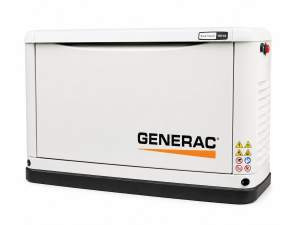
Generac gas-powered stations are stable, quiet, and eco-friendly. Designed for installation on rooftops, in basements, or even next to residential windows — they produce no fumes and operate at around 60 dB, about the same as background office noise.

Explore NIK's full catalog for more models
Fuel Types: Pros & Cons
Each fuel type has its benefits and limitations:
- Gasoline – readily available and easy to use but burns quickly and needs frequent refueling. Not ideal for long-term storage.
- Diesel – more economical under heavy loads, great for long runtimes. Lower operational costs, better performance in large generators. However, it's louder and can be harder to start in cold weather. Fuel has limited shelf life.
- Propane (LPG) – safer and more eco-friendly, stores well. But it has a lower energy density than gasoline or diesel.
- Natural gas – best for stationary generators. Can connect directly to the gas main, removing the need for refueling. However, it requires professional installation and regulatory approval.
Extra Features to Consider
Look for features that enhance convenience and safety:
- Wi-Fi or Bluetooth monitoring – lets you control and monitor the generator remotely
- Remote start – turn on your generator without going outside
- ATS (Automatic Transfer Switch) compatibility – ensures your generator starts and stops automatically with the grid
- CO detector (carbon monoxide) – critical for indoor or semi-enclosed installations
- Wheels and handles – for easier transportation
- Hardwired connection to the home panel – powers all your circuits without messy extension cords
Runtime and Autonomy
This depends on the fuel tank (or battery) capacity and fuel consumption rate. The larger the tank, the longer the generator can run without refueling. For overnight or prolonged outages, aim for at least 8–12 hours of autonomy. Gas-powered units connected to the main supply don't require refueling — a big advantage for long-term use.
So, Which Generator Should You Choose?
A generator is an integral part of your energy independence system. Choosing the right one ensures you can work, relax, and live in comfort, even during long blackouts.
Still unsure? Reach out to NIK experts — we'll help you find the perfect solution based on your unique needs.

How to Connect a Generator to a House

Related Products
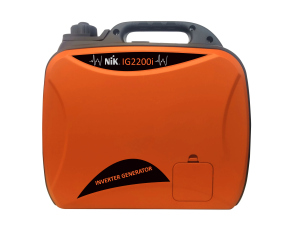
Inverter generator set NIK IG 2200i
- Maximum Power, kW 2
18 600 грн

Inverter Gasoline Generator BAMFORD B4500iSЕ with Auto Start 1-Phase 3.5 kW
- Maximum Power, kW 3,5
36 999 грн
More details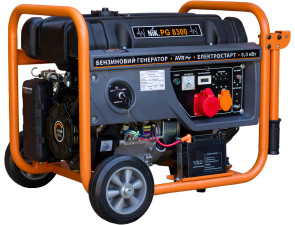
Other Articles and news
- Find out about the latest news and useful information from the world of generators and energy solutions. We will help you stay up to date with modern technologies and choose reliable equipment.
Contact us
- Do you have any questions or suggestions? Fill out the form - our manager will contact you shortly